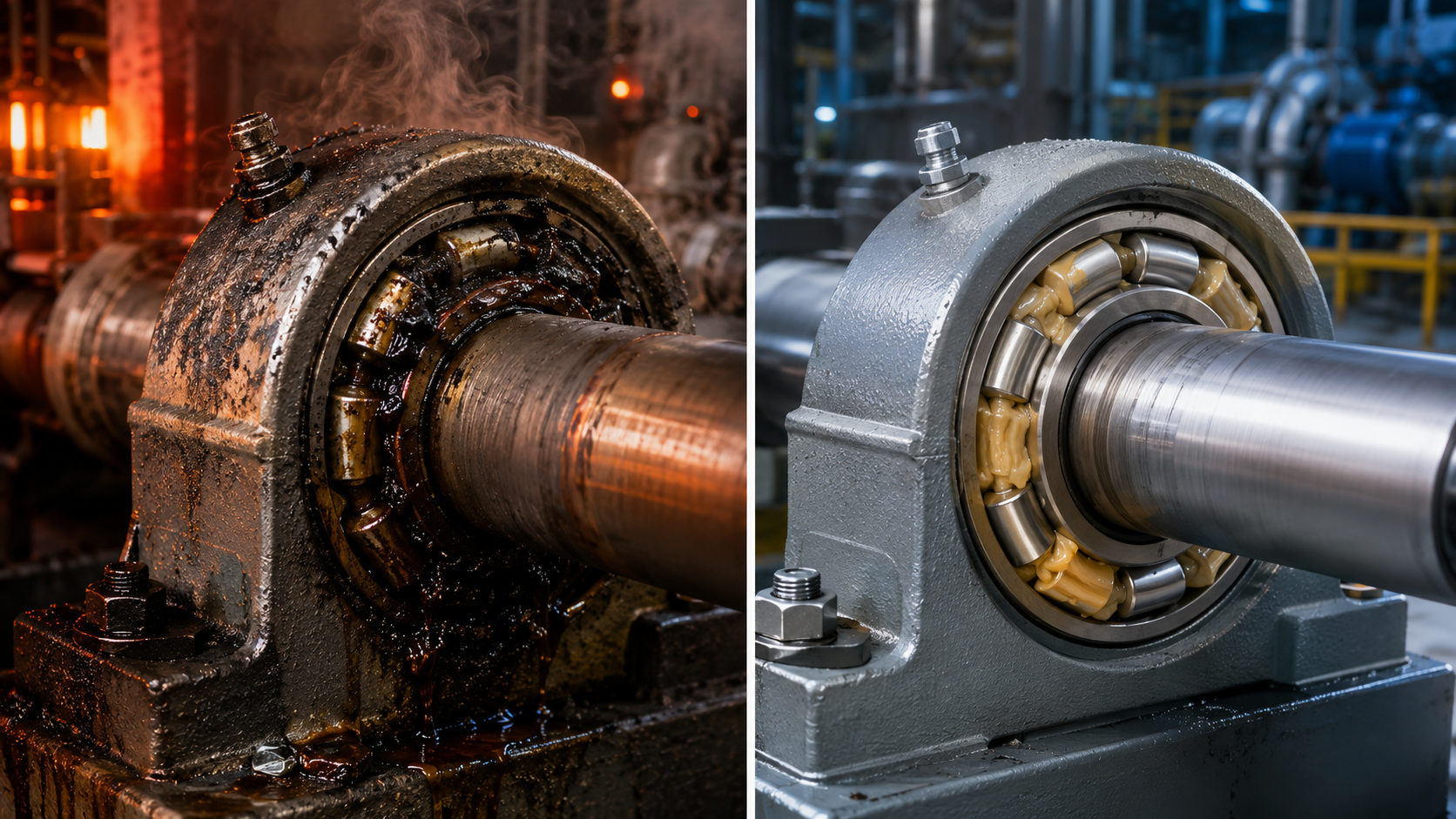
The $50 Fix That Can Save a $50,000 Gearbox





It started the way most problems do… quietly.
A facility was experiencing repeated equipment issues. Nothing catastrophic at first. Just shortened oil life. Minor wear. A fewunexpected maintenance events.
But over time, those small issues turned into something bigger. Increased downtime. Rising maintenance costs. Frustration across the team.
They were doing what most operations do: Changing oil on schedule, keeping up with maintenance, using quality lubricants.
On paper, everything looked right.
But the problem wasn’t the oil. It was the air.
Every time equipment heats up and cools down, it breathes. Air is pulled into the system, bringing along moisture, humidity, and microscopic contaminants.
In environments across the Gulf South, that air is often loaded with moisture.
Standard breathers? They don’t stop it.
That means:
Over time, that “invisible” contamination leads to very real failures.
After reviewing oil analysis data and inspecting the equipment, the issue became clear. The systems weren’t sealed from their environment.
They were breathing in contamination every single day.
Delta360 implemented a contamination control upgrade using desiccant breathers from our partner, Des-Case.
These breathers:
Installation points included:
It wasn’t a major overhaul.
It wasn’t a shutdown event.
It was a simple change with a significant impact.
One of the most overlooked advantages of desiccant breathers is that they don’t just protect your equipment… they tell a story.
If you pay attention to how the desiccant changes color, you can actually identify where moisture is coming from.
This small visual indicator gives maintenance teams something incredibly valuable: direction.
Instead of guessing, you can pinpoint whether the issue is:
That means faster troubleshooting, better decisions, and more targeted solutions.
It’s not just filtration.
It’s insight.
After implementation:
Most importantly, the team shifted from reacting to problems… to preventing them.
Contamination is one of the leading causes of equipment failure, and it often starts in places most teams overlook.
Not in the oil itself. But in how the system interacts with its environment.
In many cases, a relatively small investment can prevent major failures, extend asset life, and reduce maintenance costs.
That’s the difference between maintaining equipment… and truly protecting it.
Delta360 helps facilities identify hidden risks and implement practical solutions using proven technologies and partners like Des-Case.
If you’re experiencing repeated failures, shortened oil life, or unexplained contamination, it may be time to look beyond the surface.

.png)








.png)
.png)