Gulf Coast Heat Safety: What Every Field Team Should Know





There’s no gentle start to summer on the Gulf Coast. By mid-May, ambient temperatures are already in the upper80s and low 90s. Add radiant heat from process equipment, the insulating effect of FR clothing and PPE, and a work pace that doesn’t slow down for weather, and you have one of the most dangerous occupational heat exposure environments in the country.
Heat illness kills workers every year. It doesn’t have to.
Heat cramps are the warning. Painful muscle spasms, usually in legs or abdomen, signal that the body is losing electrolytes faster than they’re being replaced. The response: rest, shade, water with electrolytes, no return to heavy exertion.
Heat exhaustion is the red flag. Heavy sweating, cold or pale skin, weakness, nausea, and a fast or weak pulse. The affected person often doesn’t recognize their own deterioration which is why buddy monitoring matters so much. Response: move them out of the heat immediately, cool them down, and monitor closely.
Heat stroke is the emergency. Confusion, loss of consciousness, hot and dry or damp skin, rapid and strong pulse. Call 911. This is a life-threatening condition with a narrow intervention window.
The critical takeaway: heat stroke can follow heat exhaustion quickly, especially in high-exertion environments. Every field team needs to know the signs of heat exhaustion and take them seriously.
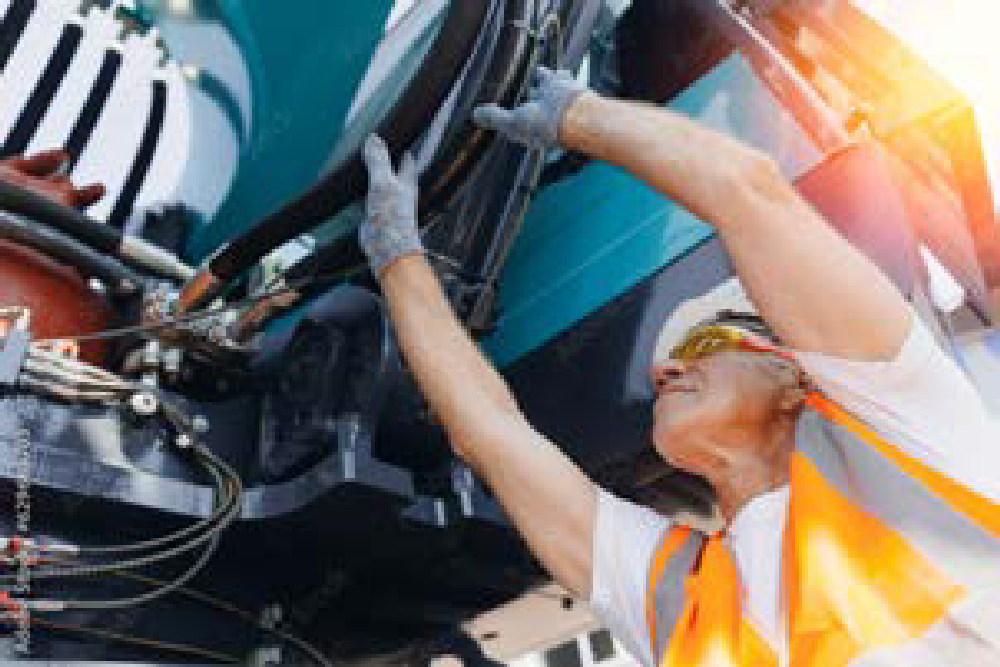
Industrial work requires PPE that significantly impairs the body’s ability to cool itself. FR clothing limits evaporative cooling. Hard hats trap heat around the head. Safety glasses prevent airflow around the face. The ‘feels like’ temperature inside a full set of industrial PPE can be 10–15 degrees higher than the ambient air temperature.
Plan heat safety programs around actual experienced conditions, not the thermometer reading.
The best heat safety programs we see share four elements. First, hydration protocols that start before work begins, not when someone feels thirsty because thirst is already a sign of dehydration. Second, mandatory rest and shade rotations built into the work schedule, not treated as optional when production pressure is high. Third, a buddy system where team members are actively watching each other, not just themselves. And fourth, genuine empowerment to call a break or stop work where the culture makes clear that nobody will face consequences for prioritizing safety.
June, July, and August will push conditions harder than May. The time to establish protocols, brief field teams, and ensure hydration supplies and shade access are in place is before those months arrive, not during a heat advisory.
Delta360’s field teams operate under heat safety protocols year-round. The same safety culture we apply to our own people is what we bring to every customer job site. Safety isn’t a checkbox. It’s how we work.

.png)








.png)
.png)