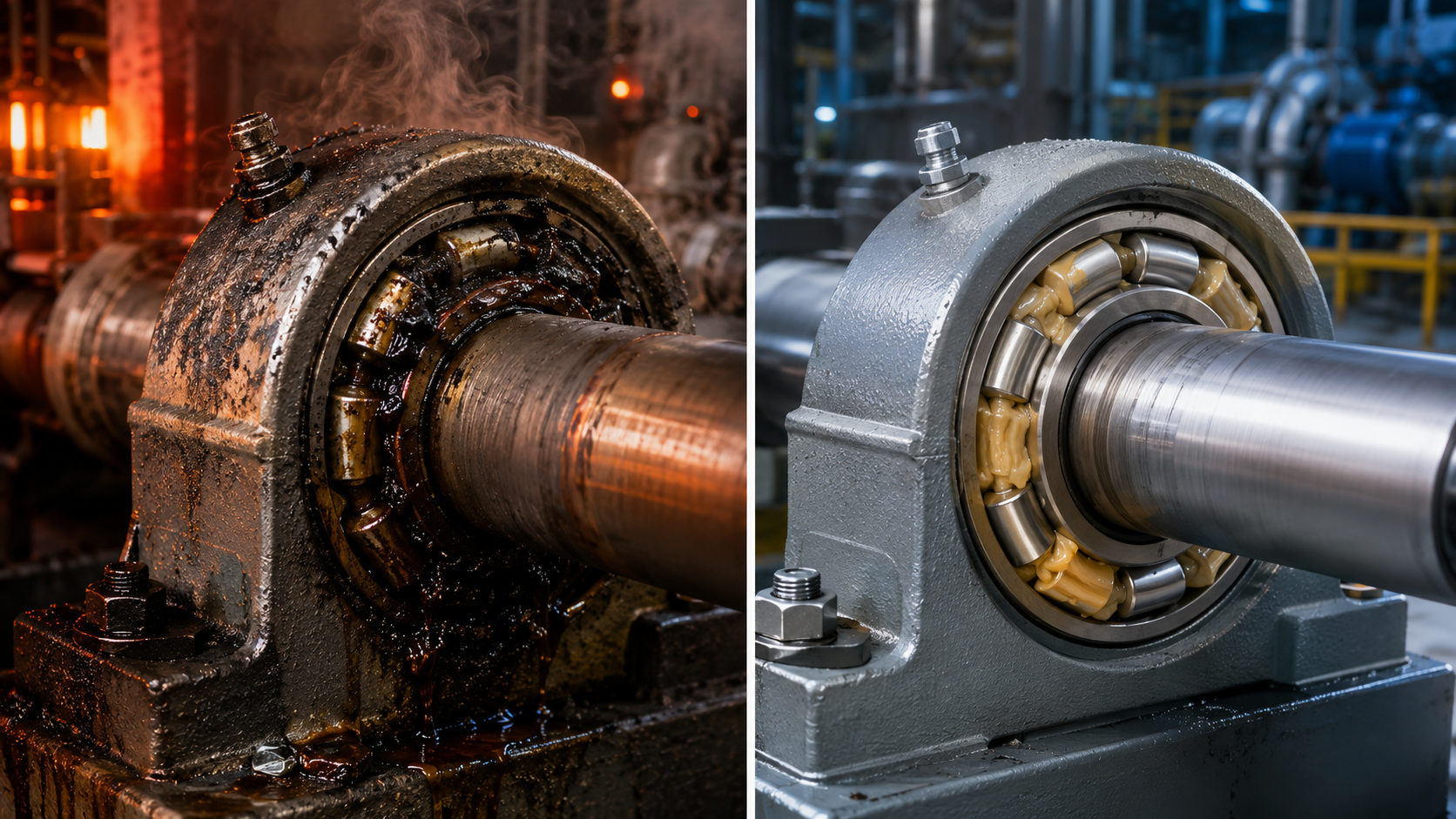
How Proper Fuel Storage Protects Your Equipment





Fuel quality is one of the most overlooked drivers ofequipment reliability. Many operations focus heavily on engines, hydraulics,and maintenance schedules, yet the condition of stored fuel often determineswhether that equipment performs eff
iciently or fails prematurely.
Improper fuel storage introduces water, dirt, oxidation, andmicrobial growth into your system. Over time, that contamination damagesinjectors, clogs filters, corrodes tanks, and accelerates wear on highprecision components. It can also
severely impact carbureted engines used ingenerators, small equipment, and older machinery. The result is unplanneddowntime, rising maintenance costs, and shortened equipment life.
Industry guidance from fuel quality experts andinfrastructure resilience agencies consistently emphasizes that storagepractices directly impact long term equipment performance. Clean fuel does notstart at the engine. It starts in the tank.
Diesel and gasoline naturally degrade when exposed tooxygen, moisture, and temperature fluctuations.
As tanks heat and cool, they inhale and exhale air. That airoften carries humidity. When warm air cools inside the tank, condensation formson the interior walls and drips into the fuel. Water accumulation creates theperfect environment for microbial growth. Bacteria and fungi feed onhydrocarbons and produce acids and sludge that corrode metal surfaces and foulfuel systems.
Oxidation is another concern. Repeated exposure to oxygencauses fuel to break down, forming gums and varnishes. In diesel systems, thiscan clog injectors and filters. In gasoline systems, especially in carburetedengines, varnish buildup can clog jets and passageways, restrict airflow, andcause hard starting, rough idling, or complete failure.
Sediment and rust also settle at the bottom of tanks. Whenfuel is drawn from the tank, those contaminants can be pulled directly intoequipment.
The Impact on Carburetors and Small Engines
While much attention is given to modern fuel injectionsystems, carburetors are particularly vulnerable to poor fuel storagepractices.
When gasoline degrades, it leaves behind sticky residues.These deposits clog small internal passages inside the carburetor, restrictfuel flow, and interfere with proper air to fuel ratios.
Even a small amount ofcontamination can cause:
For backup generators, landscaping equipment, pumps, orseasonal machinery, this often shows up at the worst possible time, when theequipment is urgently needed.
Proper fuel storage and stabilization significantly reducevarnish formation and carburetor damage.
The Role of Desiccant Breathers
One of the most effective and often underutilized tools infuel storage protection is the desiccant breather.
Standard tank vents allow humid, contaminated air to enterfreely. A desiccant breather replaces that simple vent with a filtration andmoisture removal system.
Here is how it protects your equipment:
Moisture Control
Desiccant breathers remove moisture from incoming air beforeit enters the tank. By reducing humidity inside the tank, they decreasecondensation formation. Less water means less microbial growth and lesscorrosion.
Particulate Filtration
High quality breathers filter airborne dust and debris. Thisreduces sediment buildup and protects injectors, carburetors, pumps, andfilters downstream.
Slower Oxidation
By limiting moisture and oxygen exposure, desiccantbreathers help slow fuel degradation. This is especially important for storedgasoline that can otherwise break down quickly and damage carburetors.
Lower Maintenance Costs
Cleaner fuel reduces strain on precision components acrossboth diesel and gasoline systems. Fewer clogged jets, fewer injector failures,fewer emergency repairs.
For operations storing fuel on site, desiccant breathers area relatively small investment that can deliver measurable reliabilityimprovements.
Additional Fuel Storage Best Practices
Desiccant breathers are most effective when paired with abroader fuel management strategy.
Routine Tank Inspections
Look for water bottoms, rust, and sludge before they becomesystem wide problems.
Water Drainage
Remove accumulated water regularly to prevent microbialgrowth.
Fuel Testing
Periodic sampling identifies contamination and degradationearly.
Filtration and Polishing
Fuel polishing systems circulate stored fuel and removeparticulates and water, maintaining quality over time.
Fuel Stabilizers
For gasoline and long term storage applications, stabilizershelp prevent oxidation and varnish formation that damage carburetors and smallengines.
Protecting Your Equipment Starts at the Tank
It is easy to focus on engine components whentroubleshooting performance issues. But many failures trace back tocontaminated or degraded fuel.
Water intrusion, airborne debris, oxidation, and microbialgrowth are preventable. Solutions like desiccant breathers, proper tankmaintenance, and routine monitoring protect fuel quality before it ever reachesinjectors or carburetors.
At Delta360, we know uptime drives profitability. Properfuel storage is not just a maintenance detail. It is a strategic safeguard foryour equipment, your crews, and your operation.
If your operation relies on stored fuel, it may be time toevaluate whether your storage practices are actively protecting your equipmentor quietly shortening its life.

.png)








.png)
.png)