When Water Threatens Reliability: A Vacuum Dehydration Story from the Field





It started with a call no operations manager wants to make.
A long time Delta360 customer began noticing inconsistent performance in a critical hydraulic system. Equipment temperatures were running slightly higher than normal. Filters were plugging faster than expected. Oil samples showed rising moisture levels. Nothing had failed yet, but the warning signs were there.
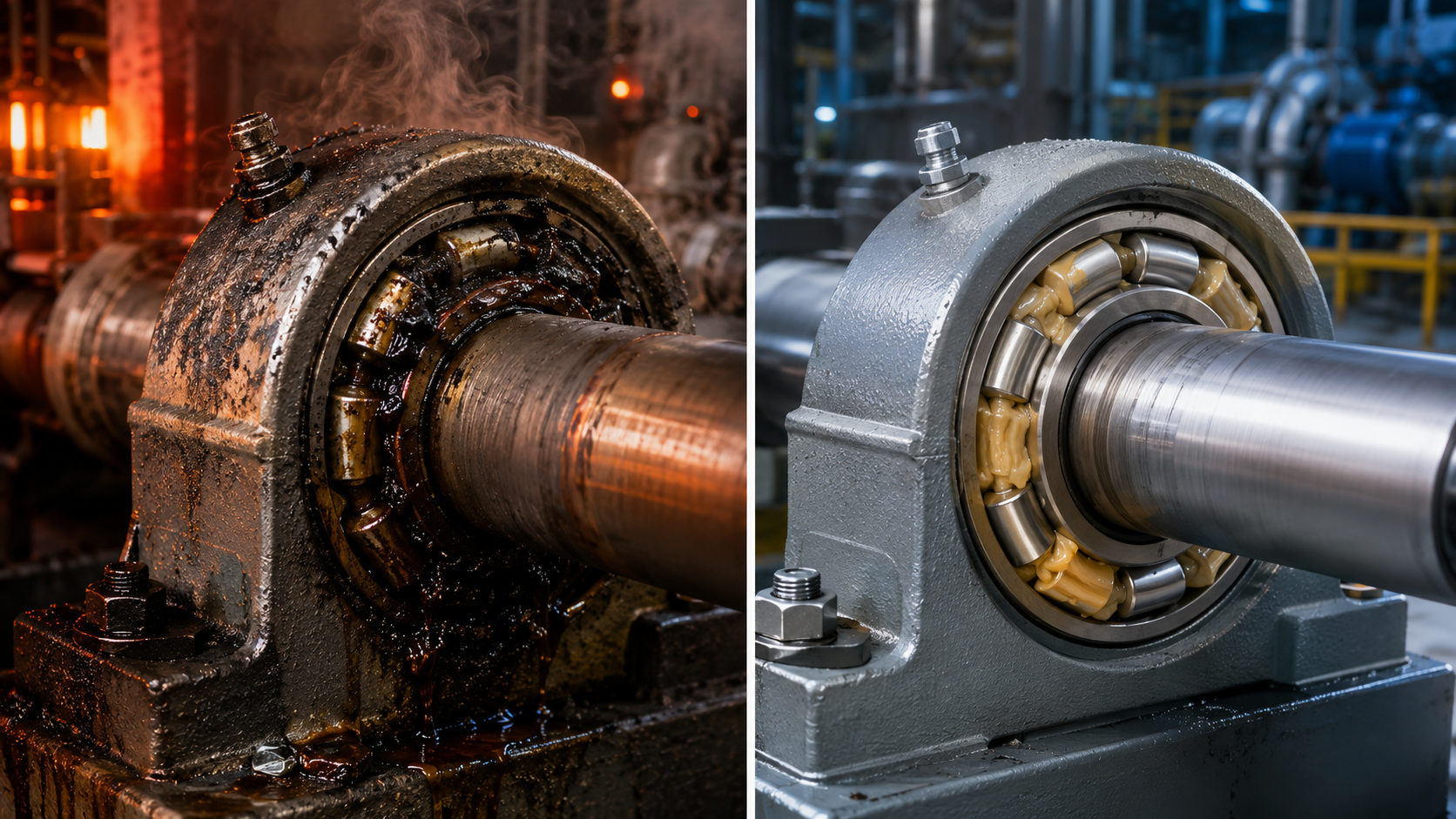
Water contamination is one of the most destructive forces inside industrial equipment. It degrades additives, reduces lubricity, accelerates oxidation, promotes rust, and can lead to cavitation in hydraulic systems. In extreme cases, it causes catastrophic failure.
That is when our team mobilized.
Water can enter lubricants in several ways:
Once moisture is present, it exists in three forms:
Free water is visible. Emulsified water creates that milky appearance. Dissolved water is the most dangerous because it is invisible yet still damaging.
In this case, oil analysis confirmed elevated dissolved and emulsified moisture levels in the hydraulic reservoir. The system could not simply be drained and replaced due to volume, cost, and downtime concerns. The oil itself was still structurally sound. It just needed to be restored.
That is where vacuum dehydration comes in.
Delta360 brought in a mobile vacuum dehydration unit designed to remove water and gases from lubricants without disrupting operations.
Vacuum dehydration works by:
Under vacuum conditions, water can boil at temperatures far below its normal boiling point. This allows removal of dissolved moisture without damaging the oil’s additives.
Over the course of the service, the system’s moisture content dropped dramatically. What started as elevated parts per million readings returned to safe, controlled levels.
The oil clarity improved. Equipment temperatures stabilized. Filter life normalized. Most importantly, the customer avoided an unnecessary oil change and prevented potential downtime.
Vacuum dehydration is typically used when:
Traditional filtration removes particles. It does not remove dissolved moisture. That is the difference.
Vacuum dehydration is especially valuable for:
By removing moisture, vacuum dehydration helps:
In many cases, it turns what looks like a replacement scenario into a recovery opportunity.
For our customer, the results were measurable. Oil analysis confirmed dryness levels within target range. The system returned to stable operating conditions. Production continued without interruption.
Vacuum dehydration is not just about removing water. It is about protecting uptime.
At Delta360, we do not simply deliver fuel and lubricants. We protect the systems that depend on them. Services like vacuum dehydration allow us to move beyond supply and into true reliability partnership.
Sometimes the most important maintenance activity is the one that prevents the headline.
This time, it was moisture that never became a failure story.

.png)








.png)
.png)