Flushing & Chemical Cleaning: The Most Overlooked Step in a Capital Project





A petrochemical facility spends $30 million on a new compression train. The equipment is installed, inspected, and signed off. The team is ready for first startup.
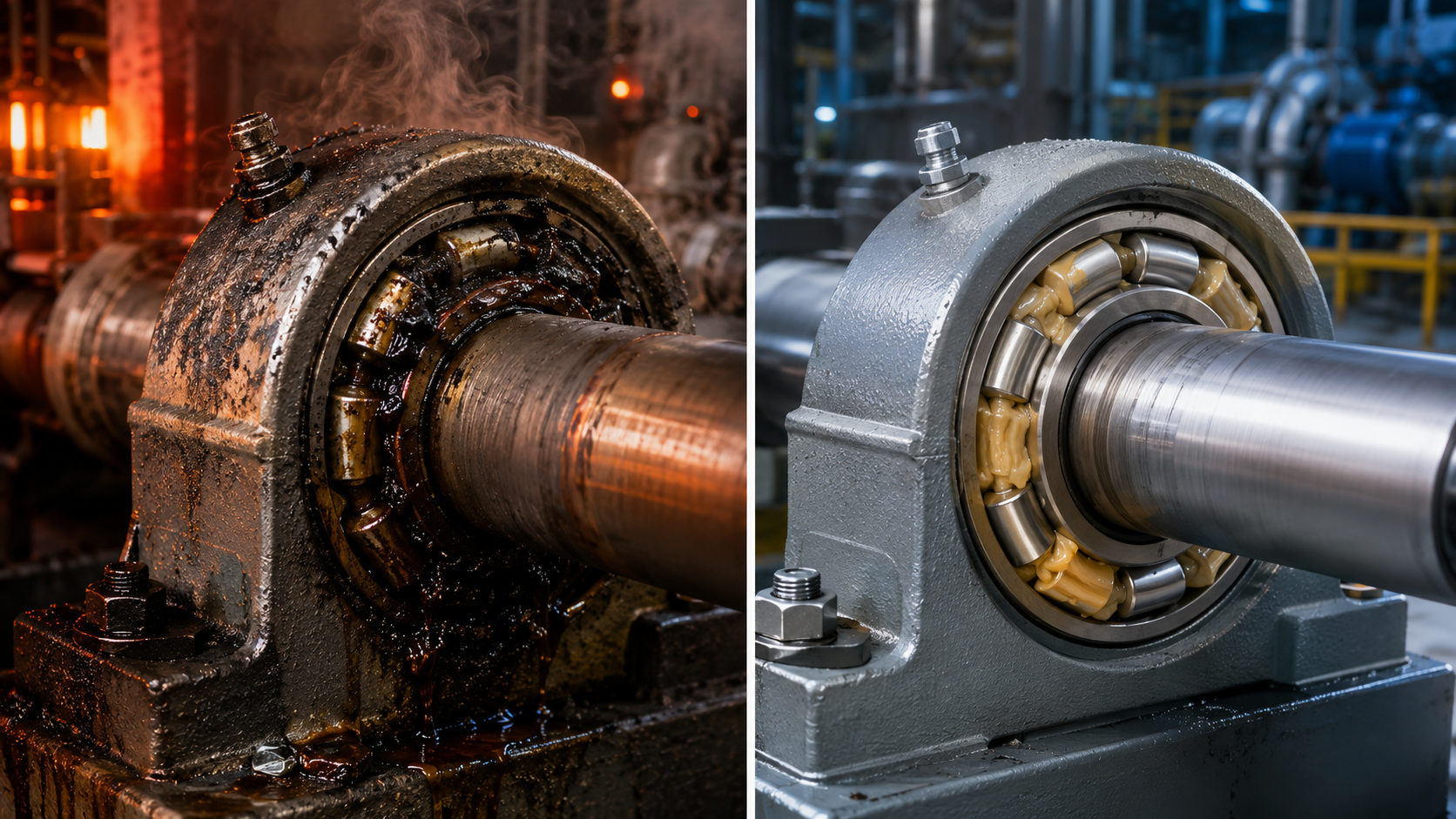
Then the lube oil flush results come back. Particle counts exceed ISO cleanliness targets by several orders of magnitude. Construction debris, mill scale, weld spatter, and preservative oils are circulating through a system that has not turned a shaft yet.
The response is to delay startup, re-flush, and re-test. It costs time and money, but it is the right call. The alternative is starting up a $30 million asset with contaminated lubrication, which can lead to bearing and seal damage before the system ever reaches normal operation.
This scenario plays out across capital projects of every size. System flushing is often under planned, underbudgeted, or treated as an afterthought until the results come back.
High-velocity flushing circulates fluid through piping and equipment at velocities that exceed normal operating conditions. This creates turbulent flow that helps dislodge and remove debris that would otherwise remain in low-flow zones.
Even brand-new piping systems contain construction contamination, including pipe scale, thread sealant residue, weld debris, preservative coatings, and airborne particulate introduced during installation. None of this is visible at a glance, and none of it belongs in your equipment.
The goal is to achieve and verify target ISO cleanliness levels, typically based on OEM specifications or API 614 requirements, before the system operates under load.
Not all flushing programs are equal.
Delta360’s process includes real-time particle counting and analysis throughout the flush. Results are tracked against target cleanliness levels and reported continuously to the project team.
Flushing is not complete when the fluid “looks clean.” It is complete when certified particle count results confirm compliance.
Delta360 also supports API 614 screen management, pipefitting, stainless jumper hoses, and 24/7 project execution with trained project managers, superintendents, and technicians on site. That means clients receive a turnkey solution, not just a crew and a skid.
Delta360’s flushing and chemical cleaning capabilities support a wide range of systems, including:
If it moves fluid and has a cleanliness requirement, it should be part of the flushing conversation.
Early bearing and seal failures in new equipment are expensive in two ways:
1. The cost of repair.
2. The impact on confidence in the asset’s reliability.
A proper flush is a fraction of the cost of a bearing replacement on a critical machine. It is an even smaller fraction of the cost of an unplanned startup failure.
If you have a capital project in planning or execution, Delta360’s flushing and commissioning team should be involved early. Not after problems appear, but as a part of the plan from the start.
Reach out at delta360.energy.

.png)








.png)
.png)